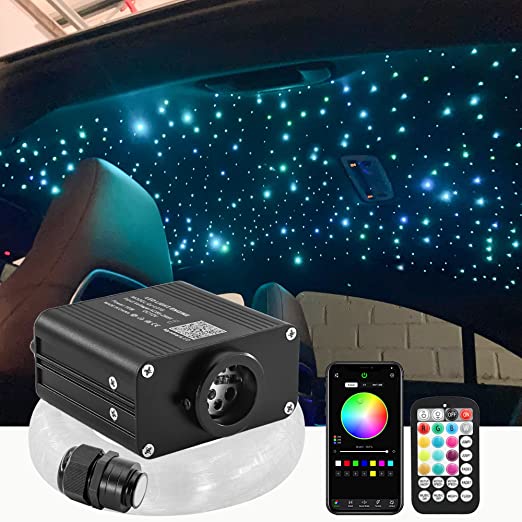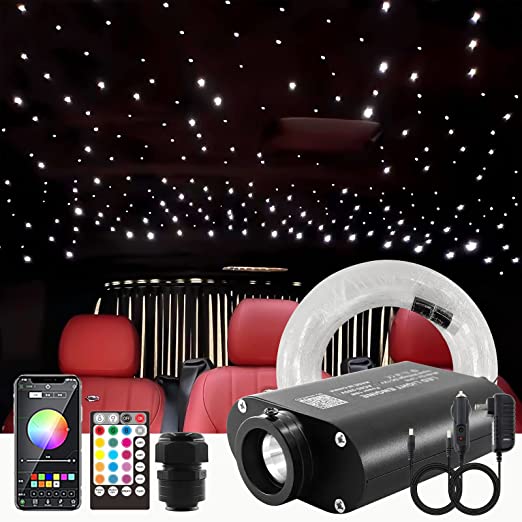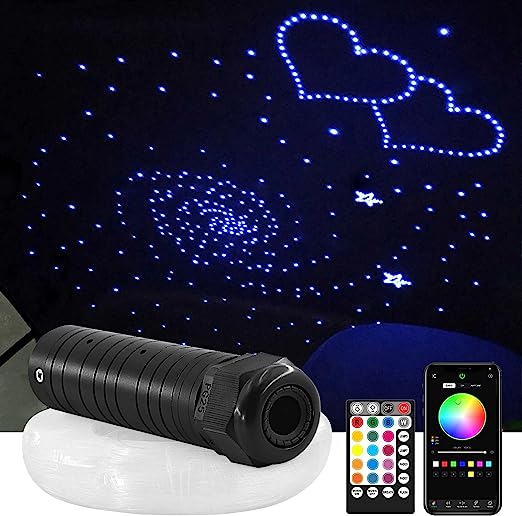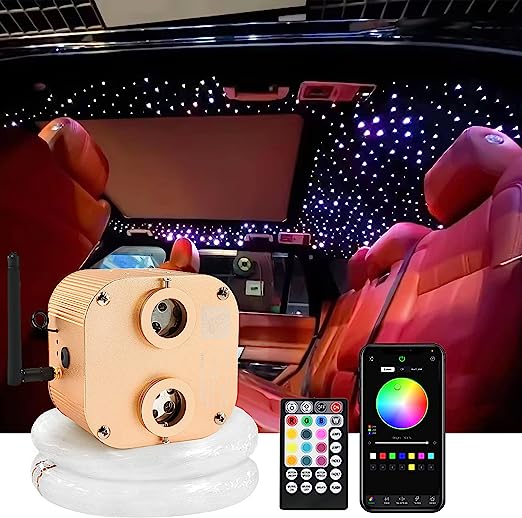

With their romantic starry ambiance and premium interior aesthetic, starlight headliners have become the top choice for countless car owners looking to customize their vehicle interiors. However, many owners tend to overlook the daily maintenance required for these headliners after installation. Over time, this neglect leads to issues such as aging fiber optics, dimming lights, soiled upholstery, and electrical faults—problems that significantly shorten the headliner's useful life.
If you want your car's starlight headliner to retain its dazzling brilliance for years to come, daily maintenance is absolutely crucial. This article compiles a comprehensive collection of daily maintenance tips for car starlight headliners—covering everything from cleaning and routine care to avoiding common pitfalls and troubleshooting issues—making it easy for even beginners to master the process and preserve the romantic charm of their vehicle's interior!
Daily Cleaning for Car Starlight Headliners: Gentle Handling to Prevent Damage
Car starlight headliners typically utilize materials such as suede, genuine leather, or light-transmitting synthetic leather, paired with fiber optics and LED light sources. When cleaning, it is imperative to avoid any rough or forceful actions; damaging the headliner fabric or the internal light sources can result in extremely high repair costs. The correct cleaning methods are as follows:
1. Daily Dusting: Gentle Sweeping to Prevent Accumulation
Dust and loose fibers tend to easily adhere to the surface of the starlight headliner. For daily maintenance, use a clean, soft wool duster or a microfiber cloth to gently sweep away any surface dust. A weekly cleaning is sufficient to prevent dust from accumulating and clogging the fiber optic light ports, which can otherwise cause the starlight's brightness to diminish.
2. Stain Removal: Use Specialized Cleaners for Spot Cleaning
When encountering stubborn stains—such as beverage spills, fingerprints, or grease marks—strictly avoid rinsing the area directly with water or vigorously scrubbing it with a wet cloth. Furthermore, never use alkaline cleaning agents such as laundry detergent or dish soap.
Instead, purchase a specialized neutral-pH interior cleaner or a suede cleaner designed for automotive use. Spray the product onto a clean cloth, wring the cloth until it is merely damp (not wet), and then gently dab at the stained area. Afterward, use a dry cloth to absorb any remaining moisture. Throughout this process, ensure the headliner remains as dry as possible to prevent moisture from seeping into the internal wiring and causing a short circuit.
3. Cleaning Crevices: Use a Soft-Bristled Brush Gently—Avoid Touching Light Sources
To remove dust from the fiber-optic ports of the starlight headliner and the crevices in the ceiling, use an ultra-fine, soft-bristled brush to gently sweep the surfaces. *Never* use sharp objects to poke or prod the light-emitting ports, as this could snap the internal fiber-optic strands and ruin the starlight effect. Additionally, avoid touching the internal LED light sources to prevent them from becoming dislodged or damaged.
Daily Maintenance for Car Starlight Headliners: Mastering the Details to Slow Down Aging
Proper basic maintenance is an effective way to prevent issues such as aging, fading, and lighting malfunctions in your starlight headliner. Be sure to keep the following points in mind:
- Avoid Prolonged Exposure to Intense Sunlight
When parking during the summer, try to choose an underground garage or a shaded spot; alternatively, use a sunshade for your vehicle to prevent direct sunlight from beating down on the roof for extended periods. High-temperature exposure accelerates the aging and fading of the headliner's leather or suede upholstery. It also causes the internal LED light sources and fiber optic cables to overheat and degrade, potentially leading to issues such as flickering lights or a reduction in brightness. - Use the Lighting System Responsibly: Avoid Leaving It On for Extended Periods
During daily use, avoid keeping the starlight headliner turned on continuously for long durations. In particular, be sure to switch off the headliner's power supply promptly after turning off the vehicle's engine to prevent draining the car battery. Additionally, minimize the frequency of switching the lights on and off to avoid electrical surges that could damage the light source drivers, thereby extending the lifespan of the LED bulbs. - Keep the Interior Dry and Avoid Humid Environments
Excessive humidity or mold growth inside the vehicle can corrode the internal wiring of the starlight headliner and cause the headliner fabric to become moldy or discolored. On rainy days, ensure your windows are closed promptly; after washing your car, open the windows to allow for ventilation; and periodically run the vehicle's air conditioning system to dehumidify the cabin. These steps help maintain a dry interior environment. Furthermore, strictly avoid placing large quantities of liquid inside the vehicle to prevent accidental spills onto the headliner. - Keep Away from Sharp Objects to Prevent Physical Damage
When placing luggage or decorative items inside the vehicle, keep them away from the headliner to prevent sharp objects from scratching or puncturing the fabric, or breaking the internal fiber-optic cables. Do not attempt to arbitrarily dismantle or apply pressure to the Starlight Headliner, as this may cause deformation of the headliner or displacement of the light sources.
Starlight Headliner Maintenance Pitfalls: Mistakes You Must Avoid
Many car owners inadvertently accelerate the deterioration of their starlight headliners due to improper maintenance. Be sure to steer clear of the following common maintenance misconceptions:
1. Pitfall #1: Washing the roof with a high-pressure water gun—Moisture can seep into the interior of the headliner, leading to electrical short circuits and mold growth on the fiber optics.
2. Pitfall #2: Using oil-based or harsh chemical cleaners—These substances can corrode the headliner fabric, causing discoloration and hardening, while also clogging the light-emitting pores.
3. Pitfall #3: Frequently removing or disassembling the starlight headliner—This damages the vehicle's original wiring and the structural integrity of the headliner, potentially triggering lighting malfunctions.
4. Pitfall #4: Neglecting maintenance for long periods until dust accumulation becomes severe—Dust can infiltrate the interior of the fiber optics, becoming extremely difficult to remove and permanently compromising the quality of the starlight effect.
Emergency Troubleshooting for Minor Starlight Headliner Issues: Prompt Diagnosis to Prevent Major Problems
During daily use, if you encounter minor faults, you can first attempt a simple self-diagnosis to minimize the hassle of professional repairs:
1. Uneven Starlight Brightness: This is most likely caused by dust accumulating in the fiber optic apertures; simply follow the recommended cleaning methods to gently remove the dust.
2. Localized Light Failure: Check the light switch and wiring connections to see if any are loose; *never* attempt to disassemble the wiring yourself.
3. Flickering Lights: Immediately switch off the power supply. Check to see if the car battery is low or if there is a poor electrical connection in the wiring; contact your installation specialist or modification shop immediately for inspection and repair.
In the event of a serious malfunction, you *must* seek repairs from a professional starlight headliner installation and modification shop. *Never* attempt to disassemble the unit yourself, as this could result in secondary damage.
Regular Deep Maintenance: Extending the Lifespan of Your Starlight Headliner
In addition to daily care, it is recommended that you have your starlight headliner undergo professional deep maintenance every 6 to 12 months:
1. Have a professional shop perform a deep cleaning of the interior to remove embedded dirt and condition the headliner fabric.
2. Inspect the starlight headliner's wiring, light source, and fiber optics to ensure they are in good condition, and promptly repair any minor faults.
3. Apply stain-resistant and anti-aging treatments to the headliner fabric to enhance its durability and longevity.
By mastering the daily maintenance techniques outlined above, you can effortlessly extend the lifespan of your starlight headliner without incurring costly repair bills. Whether by day or by night, a simple glance upward reveals a soothing, celestial canopy right inside your vehicle—ensuring that the sense of occasion accompanying every drive never fades!
Car owners looking to keep their starlight headliners in pristine condition should save this guide immediately—follow these steps, and you can't go wrong!